Diagnostics
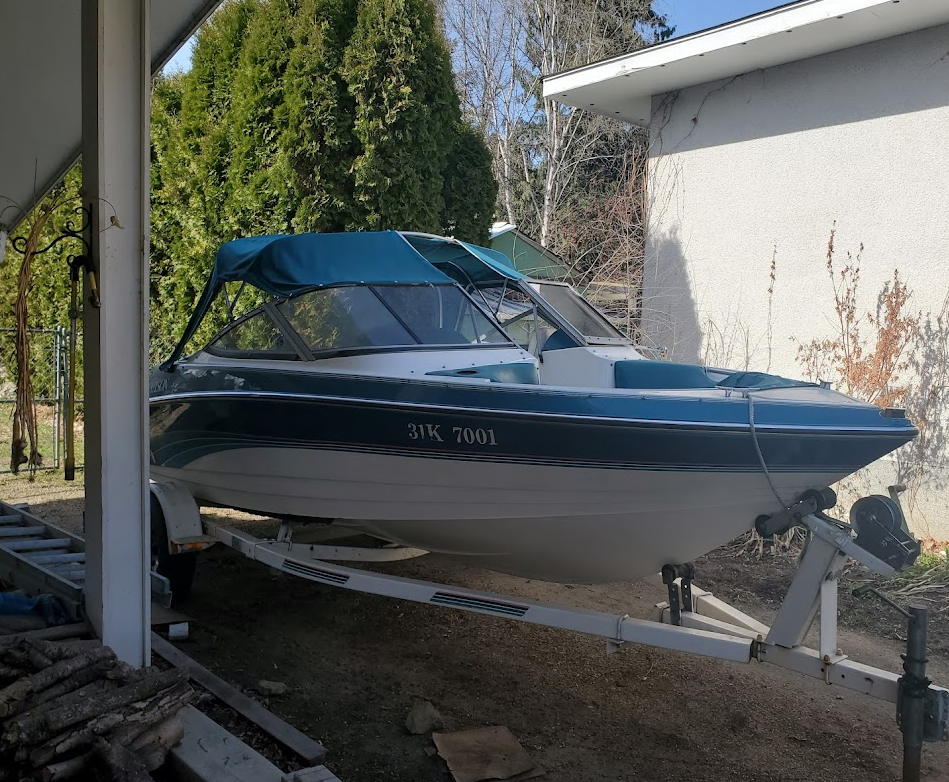
When I went to pick up the boat, we tried cranking the engine but the starter was just clicking, even though the battery was fully charged. That suggested the engine was likely seized and couldn’t rotate. After pulling the dipstick, I found milky white oil with a small icicle forming on the end, which confirmed there was water in the crankcase. This pointed to internal engine damage and explained why the engine wouldn’t turn over.
Repair
Engine
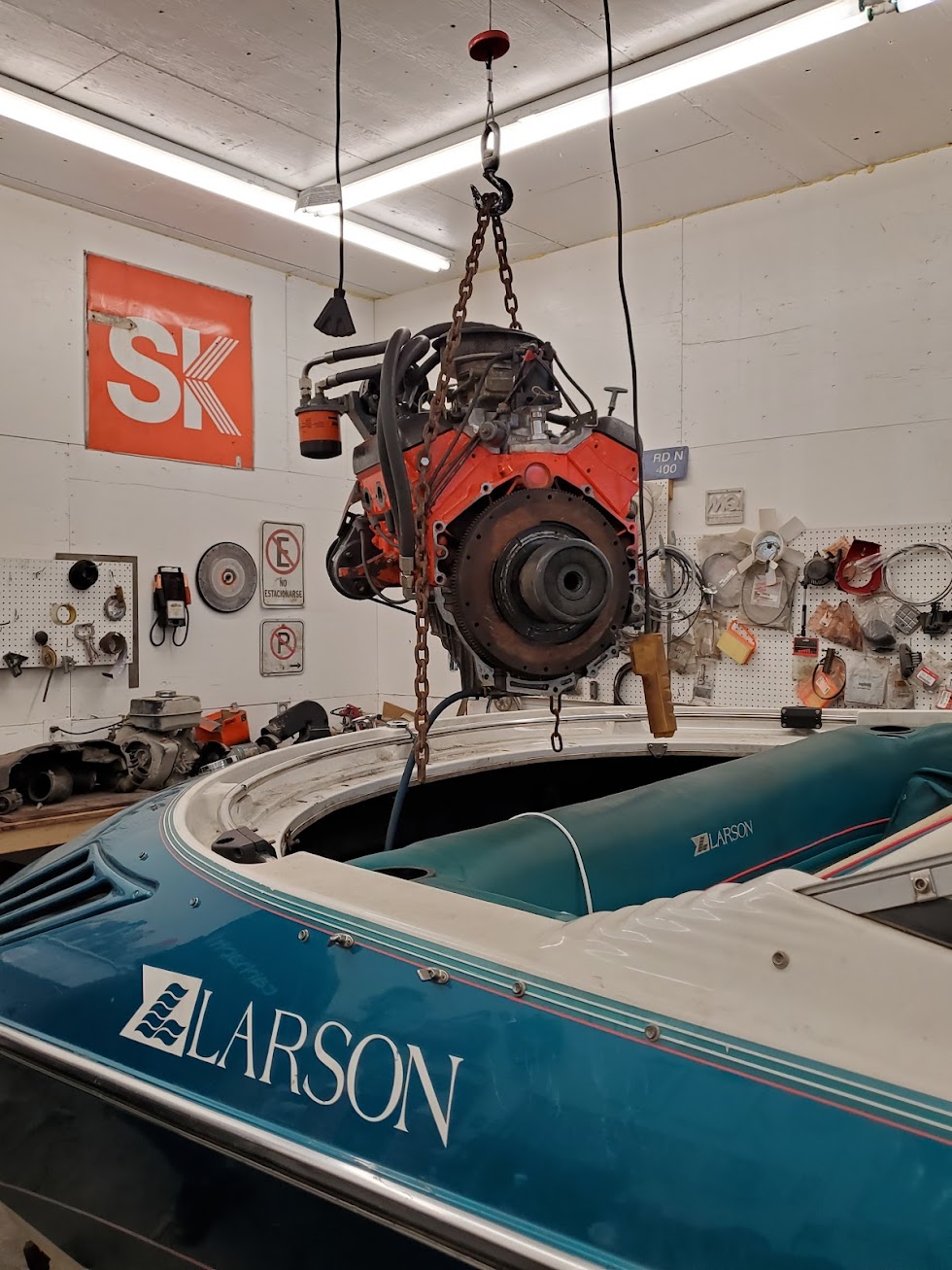
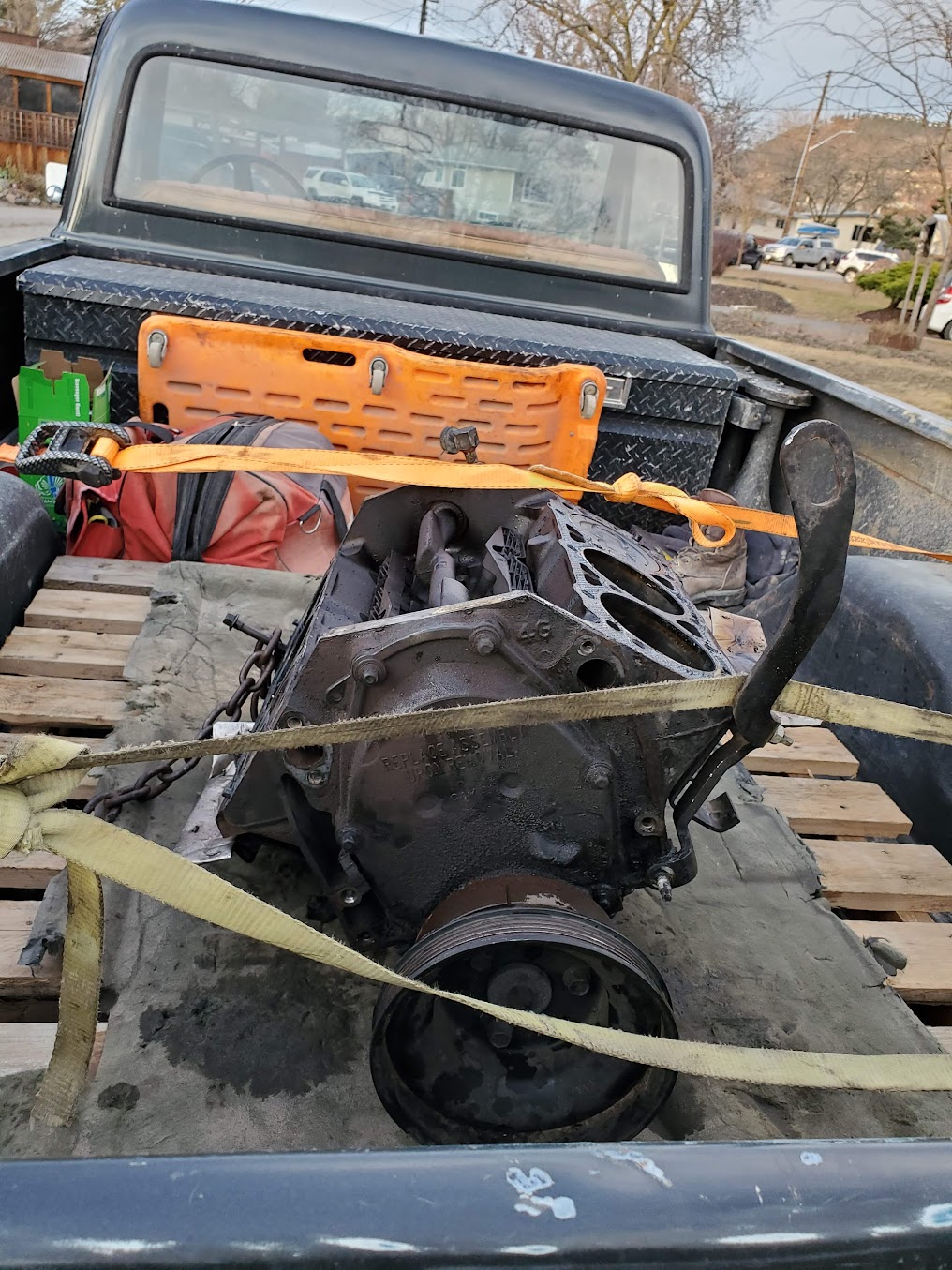
The repair involved sourcing a replacement block and rotating assembly from a junkyard. We pulled the heads off several 4.3 L Chevy engines we could find and selected a block with cylinder walls in good condition and no noticeable ridge. The block and cylinder heads were then machined, and I reused the original marine heads because they had larger valves than the automotive versions. After reassembly, I transferred all of the marine-specific accessories — including the water pump, oil filter housing, alternator, and related hardware — onto the rebuilt engine. The finished motor was painted before being installed back into the boat’s hull.
Stern-drive
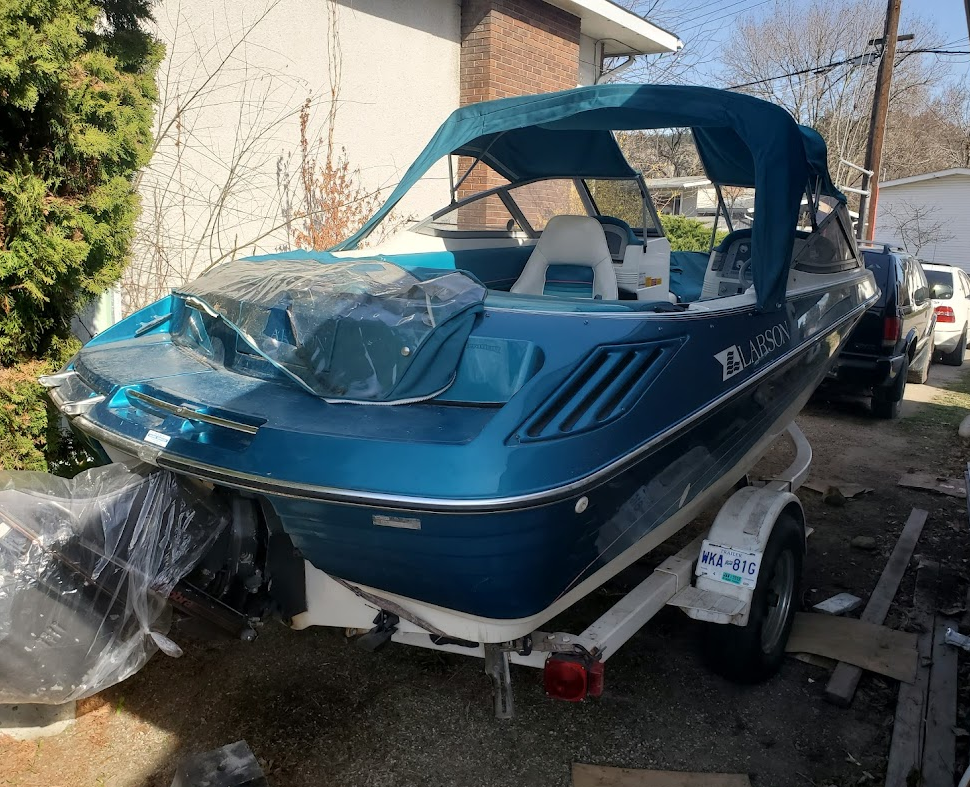
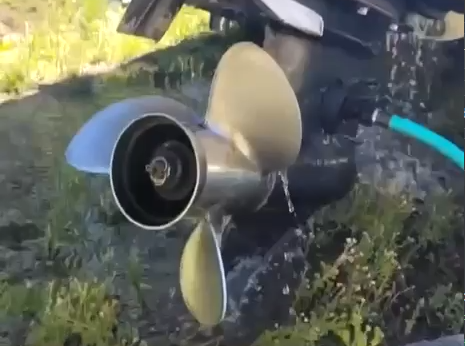
As part of the repair, I removed the stern drive to service the drivetrain components. The lower gear set was replaced with a remanufactured unit, and the raw-water pump in the stern drive was replaced along with all associated gaskets and seals. I also replaced the gimbal bearing (the bearing that supports the stern drive input shaft through the transom assembly) and rebuilt the U-joints in the drive shaft assembly. Before reinstalling the stern drive, I used an engine alignment tool to properly align the engine coupler with the stern drive input shaft to ensure smooth power transfer and prevent premature wear.